On Negative Space

The most important element in any composition is the one that is not there. This is not a philosophical position. It is a technical observation.
Negative space does not mean empty space. Empty space is accidental. Negative space is constructed. It is the result of decisions about what to exclude, and those decisions carry as much meaning as the marks on the page.
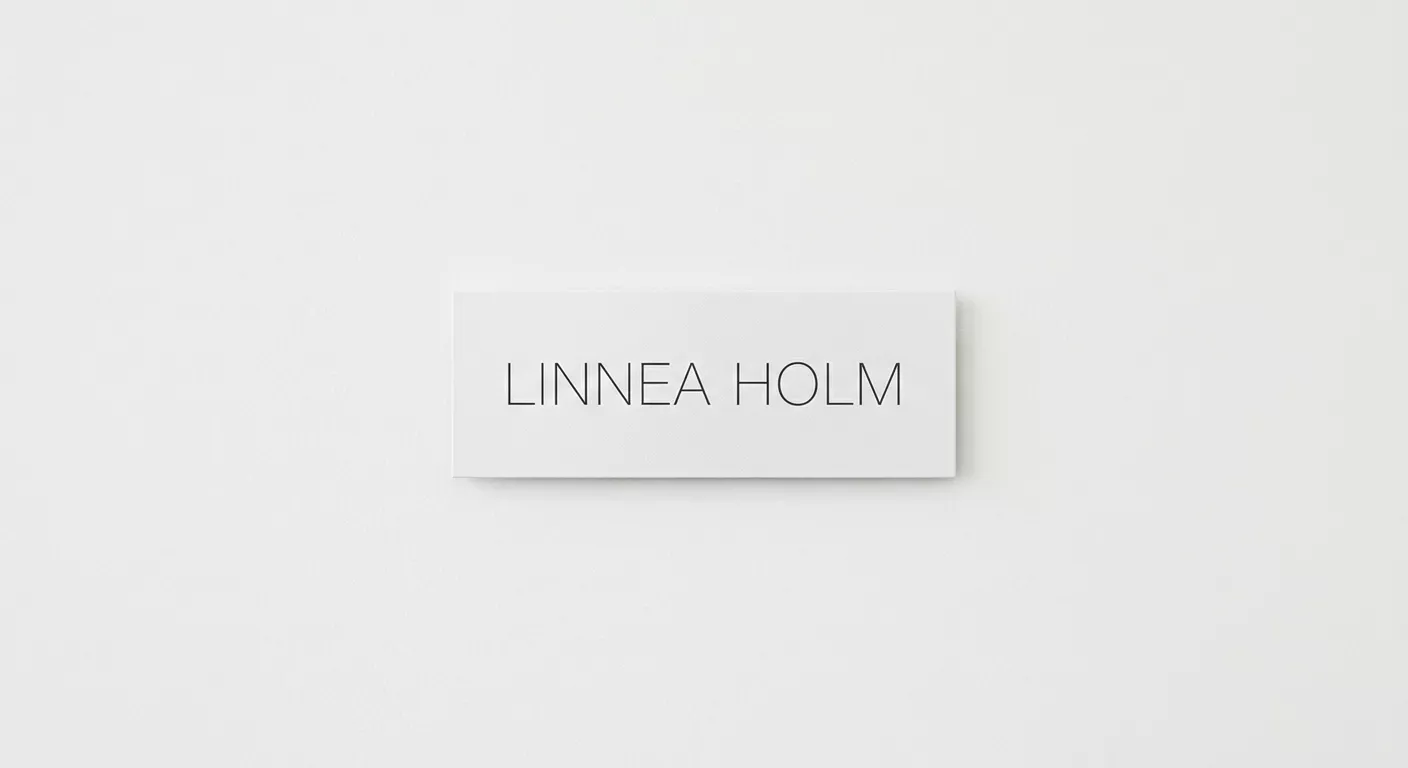
Consider a business card with a single line of text set in 8pt Söhne, positioned in the lower-left corner. The remaining 90% of the card is not wasted. It communicates something specific: confidence, restraint, the assumption that the recipient will find the information sufficient. A card filled edge-to-edge with contact details, logos, and taglines communicates something different entirely. Neither is wrong, but the designer who fills the card has not considered what absence might say.
The Problem with Filling
Clients often interpret blank space as unfinished work. This is understandable. They are paying for design, and design looks like things on a page. Explaining that the absence of things is also design requires patience and, usually, side-by-side comparisons.
The comparison that works best: Muji packaging next to a conventional competitor. Muji's packaging uses negative space to signal quality and intentionality. The competitor uses every available surface for claims, badges, and selling points. Both products may be equivalent. The perception is not.
Negative Space as System
Josef Muller-Brockmann understood this. His grid systems are remembered for their structure, but the grids exist primarily to organize the space between elements. The columns and rows define what is absent as precisely as what is present.
In brand identity work, negative space becomes a system-level decision. If a brand uses generous margins on its stationery, the same proportional spacing should appear in its digital interfaces, its packaging, its environmental graphics. The white space is a brand element. It needs to be specified, documented, and protected from the inevitable pressure to fill it.
At Acne Studios, the packaging system allocated 40% of every surface to unmarked space. This was not a guideline. It was a rule. When regional teams requested additional copy or compliance marks, the answer was to reduce the type size, not the margins.