AI and the Typography Problem
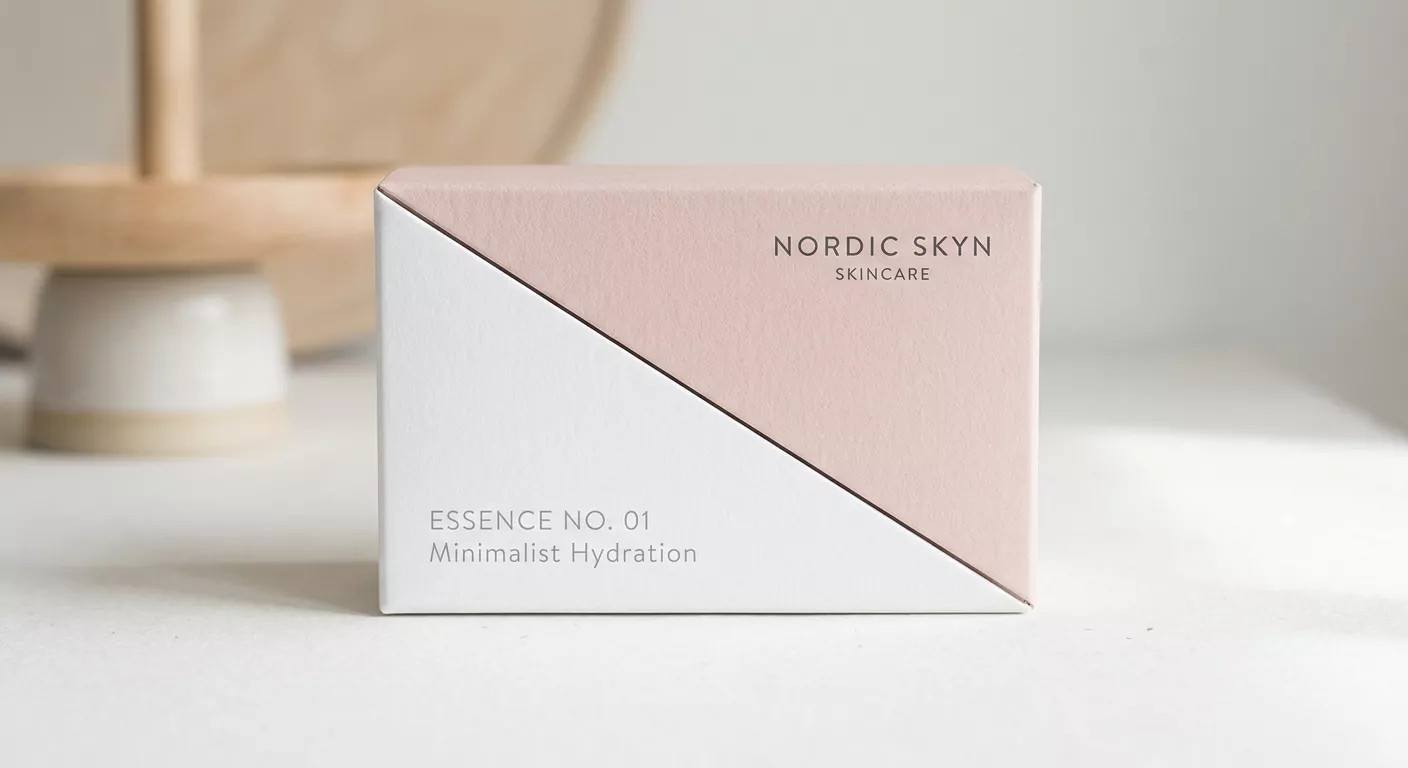
AI image generators struggle with typography. This is well documented and widely discussed. Letters are malformed, spacing is inconsistent, words are misspelled. But the problem is deeper than rendering errors. AI tools do not understand what typography is, and this limitation reveals something important about the nature of typographic design.
Rendering vs. Setting
There is a difference between rendering letterforms and setting type. Rendering is the production of individual characters that are recognizable as letters. Setting is the arrangement of those characters into words, lines, and blocks that communicate effectively. AI tools are improving at rendering. They remain poor at setting.
Setting type involves hundreds of micro-decisions per page. Tracking adjustments between specific letter pairs. Line breaks that consider meaning, not just character count. The relationship between type size and leading. The distance between a heading and the body text that follows it. These decisions are relational. They depend on the specific characters, the specific typeface, and the specific context. They cannot be solved by pattern matching across a training dataset.
Why This Matters
Typography is the most common element in graphic design. It appears in every brand identity, every package, every interface. A tool that cannot handle typography competently cannot produce professional design work, regardless of how well it handles color, composition, or imagery.
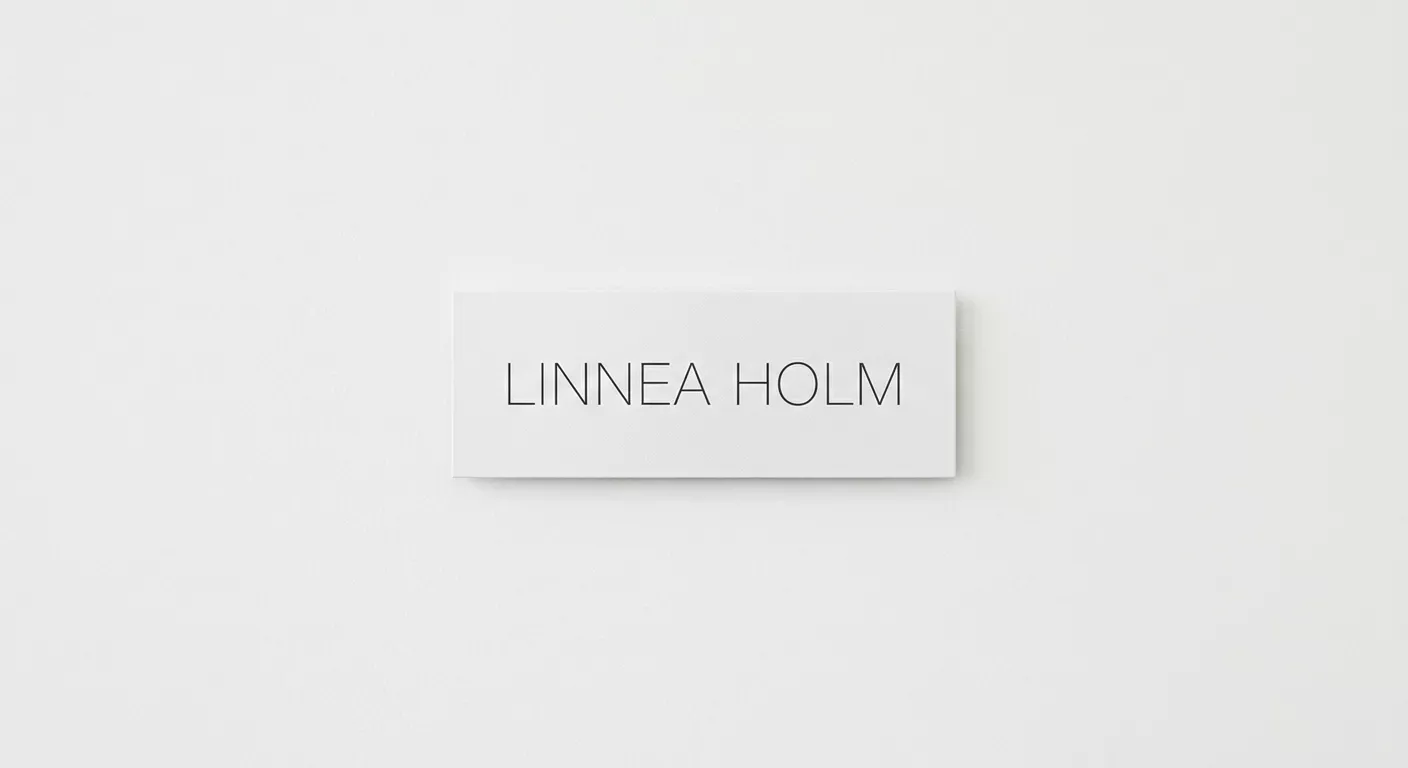
The current generation of AI tools treats typography as an image element. It generates what type looks like, not what type does. The difference is significant. A line of text set in Founders Grotesk Light at 9pt with 0.05em tracking on a business card performs a specific function. It communicates specific information with specific connotations. An AI-generated image of similar-looking text does neither.
The Implication
Until AI tools can work with actual font files, actual type-setting parameters, and actual production constraints, they will remain supplementary tools for typographic work. This is not a temporary limitation. It reflects a fundamental difference between generating images of text and designing with text.
Designers who understand this difference are not threatened by AI tools. They are the ones who know what 0.03em of letter-spacing does to the readability of a caption set in Aktiv Grotesk at 11px on a light grey background. That knowledge is not in the training data.